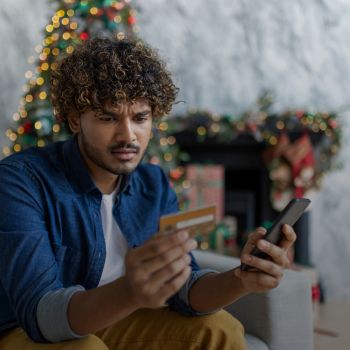

Fall brings cooler weather, football weekends, pumpkin patches, and a busy season for shopping and travel. Scammers also use this time of year to make their stories sound timely. October is Cybersecurity Awareness Month, so it is a good time to review a few simple safety habits.
The Federal Trade Commission says many scams start with an unexpected text, call, email, social media message, or ad. The story may change. The goal is often the same: get you to send money, share private details, or click before you stop to think.
What holiday scams may look like this season
Fake toll and traffic messages
A text may say you owe a toll, traffic fine, or late fee. It may warn that more fees are coming if you do not pay now. The message may include a fake link or QR code. Do not use the contact details in the text. If you think the charge may be real, find the agency through a source you trust.
Fake shipping and delivery notices
A delayed-package message can seem real during the holidays because many people are waiting on deliveries. A scam text or email may ask you to confirm an address or pay a small fee. Do not click the message. Open the store or carrier website or app yourself.
Temporary job scams
Holiday hiring can also bring fake job offers. Be careful with job texts you did not expect. Watch for very high pay for little work or requests to pay for equipment, training, or fees. A real employer should not make you pay to get paid.
Holiday shopping and marketplace scams
Scammers often use fake stores, copied photos, social ads, and marketplace listings. The product might be counterfeit, look very different from the photo, or never be delivered. Always research unfamiliar sellers thoroughly. Review the site's rules and security measures. Avoid moving a sale off the platform, even if a seller pressures you.
Charity and gift card scams
The giving season can bring fake charities and urgent donation requests. Check a charity by its exact name before you give. Also, remember this clear red flag: a real business or government agency will not tell you to buy gift cards and send the card number and PIN as payment.
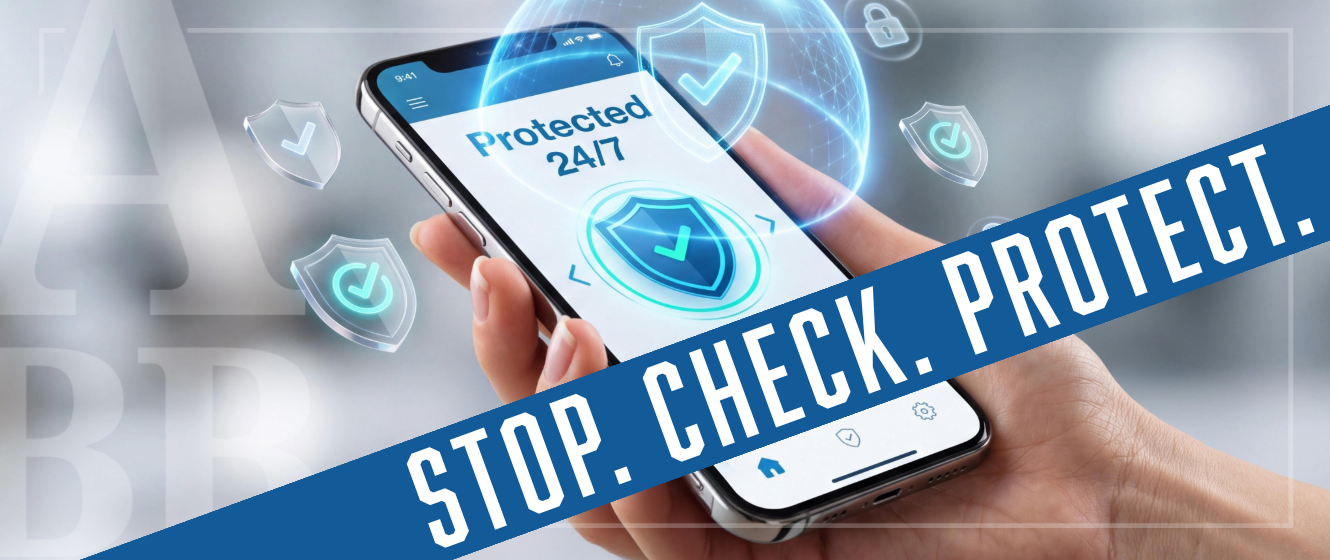
Stop. Check. Protect. before you shop, pay, or give
- STOP when a message makes you feel rushed, worried, excited, or pressured.
- CHECK the request using a phone number, website, app, or contact method you already know is legitimate.
- PROTECT your passwords, one-time verification codes, account details, card information, and personal information.
- Do not click unexpected links or scan unexpected QR codes just because the message looks official.
- Talk about scam attempts with family and friends. Sharing what you see can help someone else recognize the same tactic.
If something feels off, contact us directly
If a message claims to be from Anderson Brothers Bank and you are not sure it is real, do not use the link or phone number in the message. Contact ABB through our official website, a trusted phone number, or your local branch. If your account, card, online banking, or personal details may be at risk, contact us as soon as you can.
Throughout the holiday season, our Fraud Friday social media posts will take a closer look at the seasonal scams that tend to surface as people shop, give, travel, and celebrate. No matter the story, the habit remains the same: Stop. Check. Protect.
*Fraud prevention content is educational and does not guarantee prevention, recovery, or reimbursement. Customers should contact Anderson Brothers Bank directly through a trusted phone number, the official website, or a local branch if they believe an account, card, online banking access, or personal information may be at risk. Resolution timelines, provisional credits, reimbursement, and consumer liability depend on the facts, payment type, timing, and applicable law.

Harvesting More Than Pumpkins: How Scammers Collect Your Information

Before You Give: How to Spot a Charity Scam
Black Friday Fraud: Shop Smart This Holiday Season
Holiday Market Place Scams: Buying and Selling Safely Online